


Capabilities
The Work
We Do
We design the sensor, test it, and write the software that runs on it.
Earth: NASA · beam and footprint are an illustration · credits
01
EO/IR system design and integration
Custom Imagers, Visible to LWIR
We design the imager and its processing chain together, from the band and the focal plane to the packaging that gets it onto the platform.
- Band selection, optical and focal plane trades
- Real-time image processing, including plume imagery
- Precision target tracking
- Field calibration procedures written for the operator
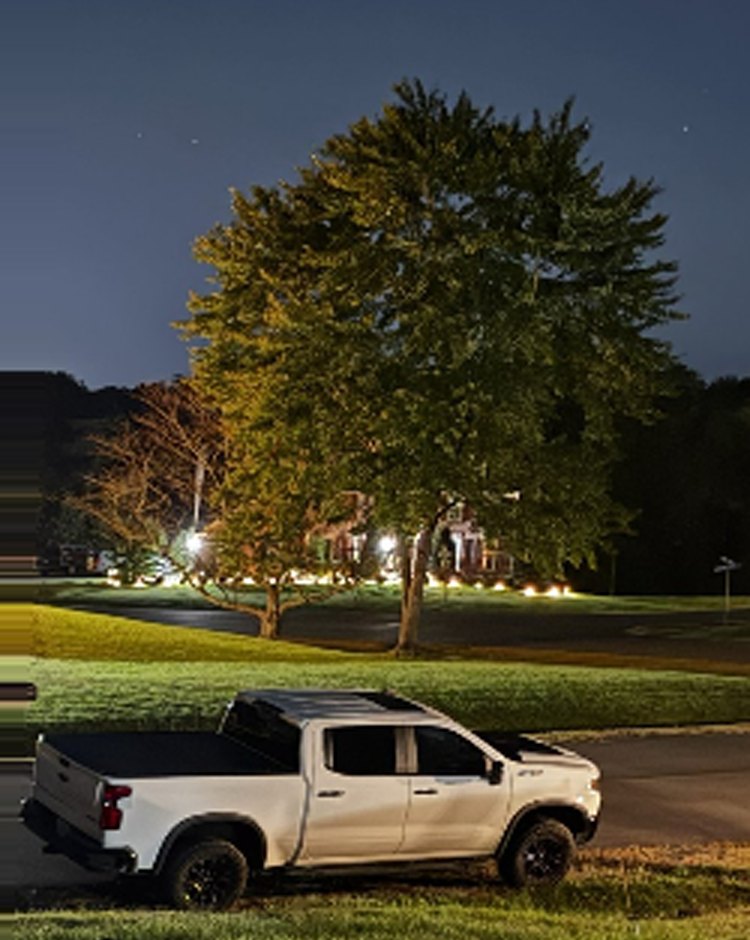
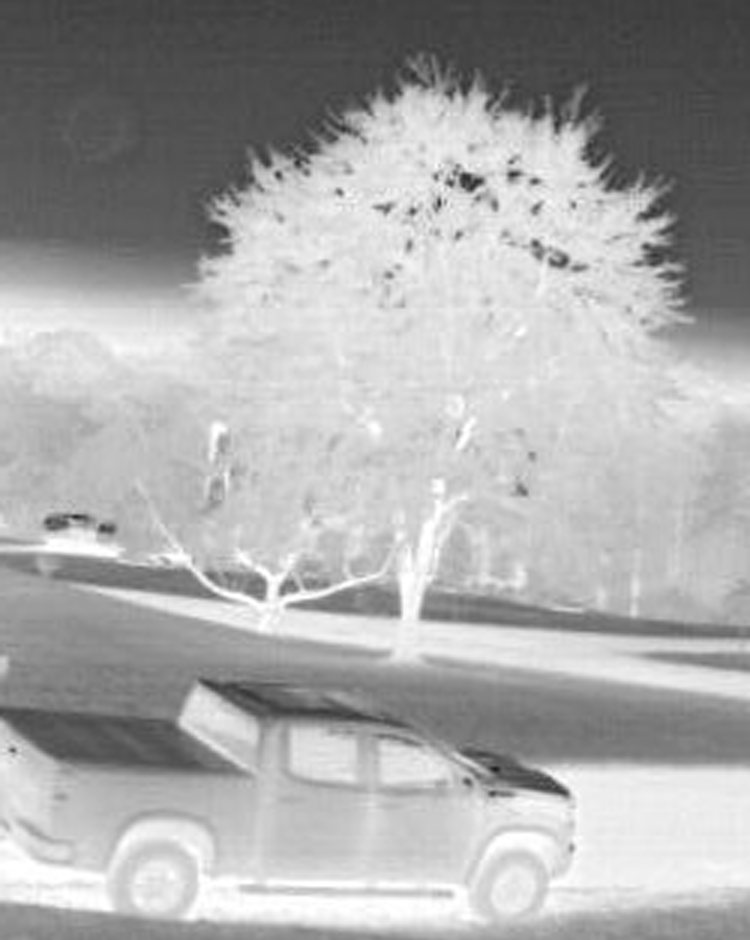
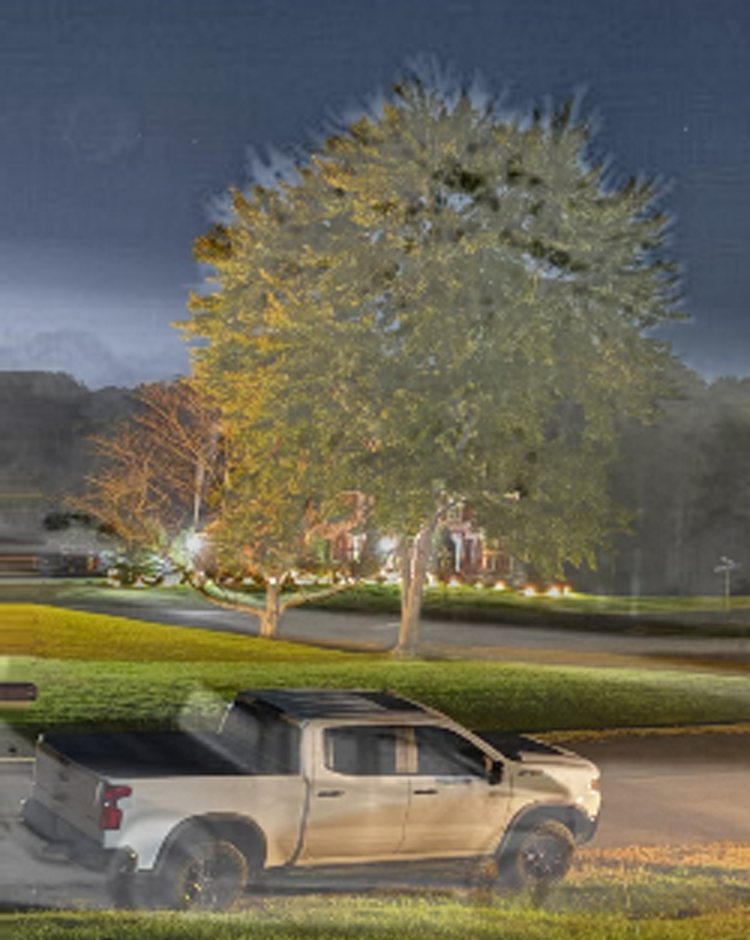 Visible · low light
LWIR · 7–14 µm
Two bands, one scene. A low-light visible frame and a Velox LWIR frame, registered to one geometry. The registration is global, so near and far objects keep a little parallax. Images: Velox Research.
Visible · 0.4 to 0.7 µm
Reflected daylight, the same thing the eye sees. Highest spatial detail of any band, but it needs light and clear air.
Best for: daylight imaging · high-resolution reconnaissance · visual identification
02
Synthetic IR imagery
Synthetic IR, Scored Against Real Frames
Our pipeline generates synthetic infrared imagery on ordinary CPUs, and scored against our own real collections it has closed the gap between synthetic and real IR.
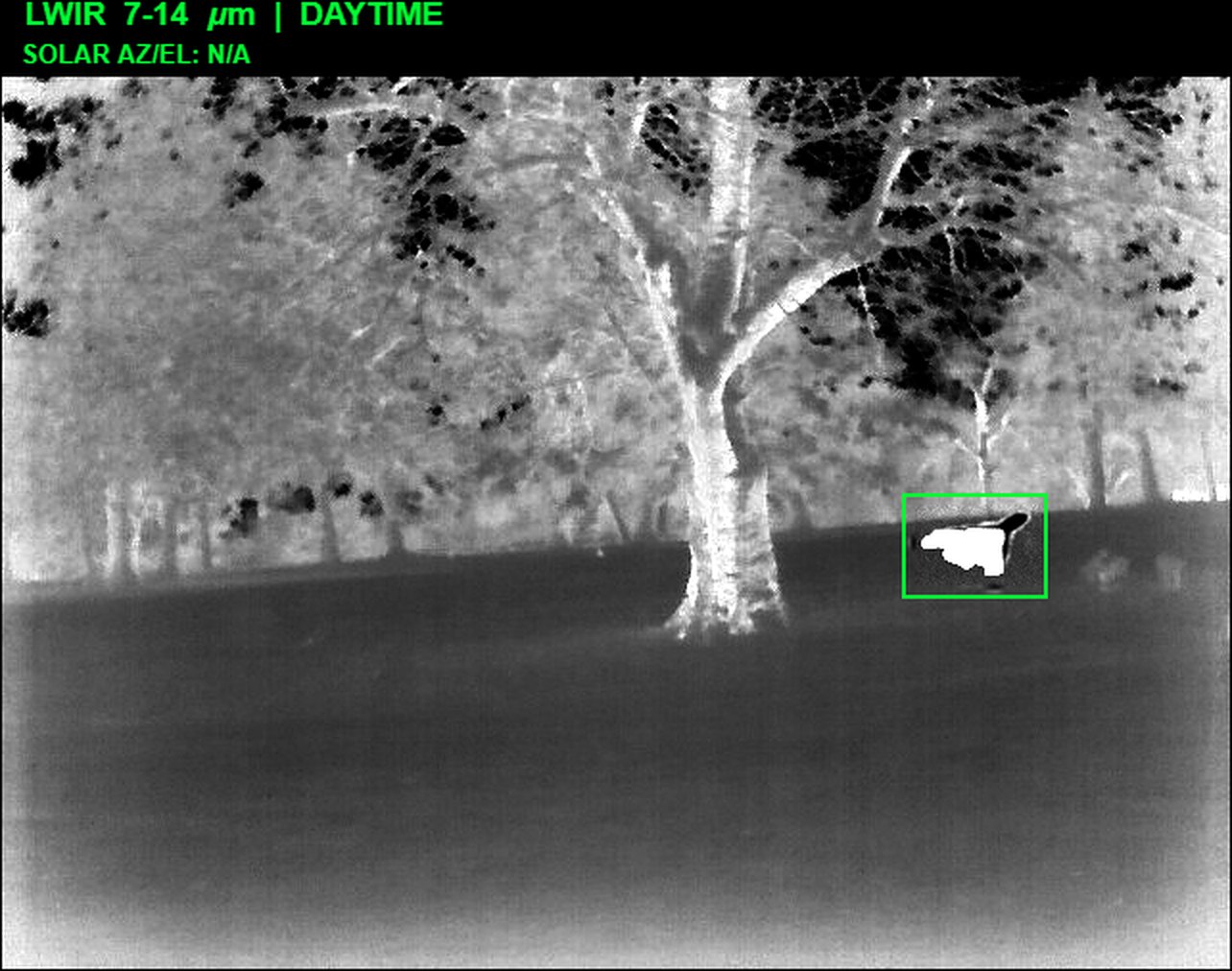
Real. A daytime LWIR frame from a Velox sensor, the kind of collection the synthetic output is scored against. The detection box is the sensor's own.
03
Sensor test and evaluation
Bench, Range and Data Reduction
We characterize a sensor on the bench, take it to the range with instrumented ground truth, and reduce the data. Our own hardware and other people's.
- Radiometric and geometric calibration
- Environmental and field test
- Signature collection in IR, RF and acoustic
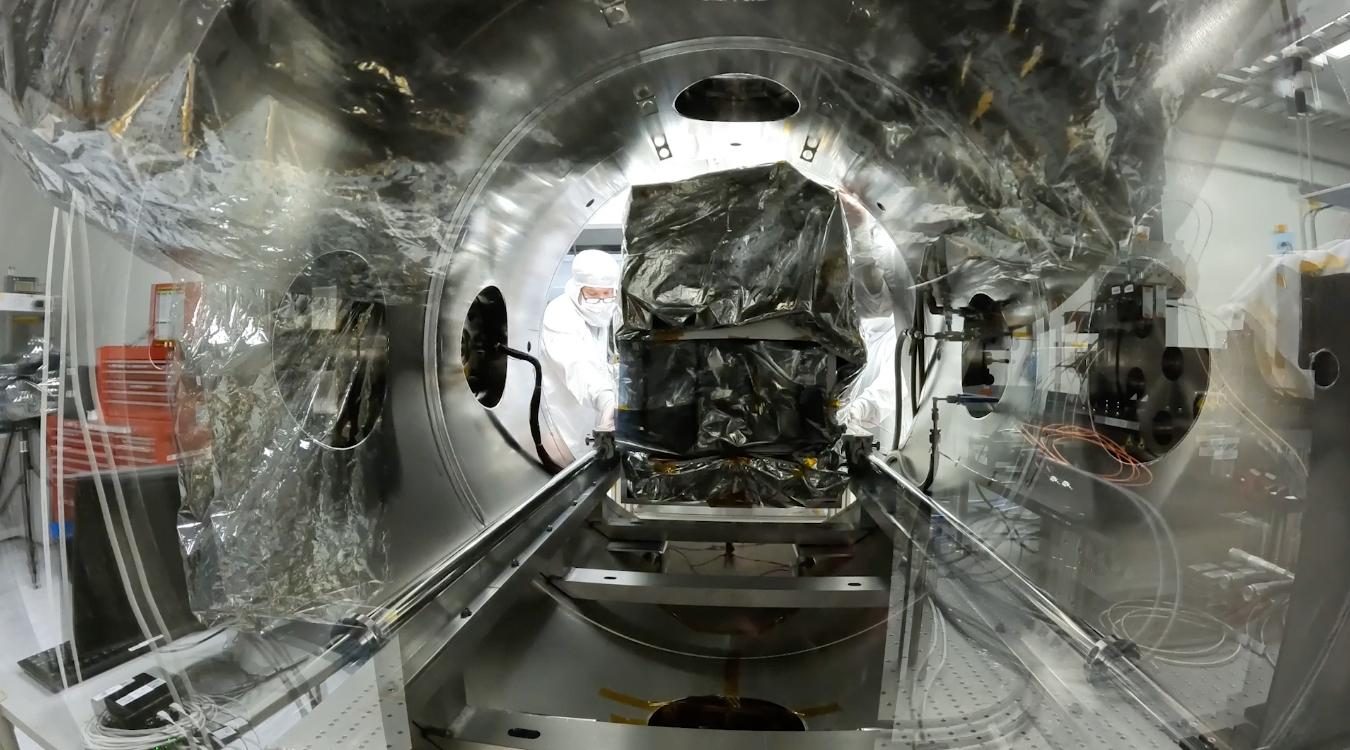
An imaging spectrometer in a thermal-vacuum chamber. NASA/JPL-Caltech.
04
Aerospace systems engineering
Hypersonics, Technical Collections, Missile Defense
Systems engineering from concept through algorithms to hardware-in-the-loop, for technical collections and missile defense.
- Collection architectures
- Algorithm development and DSP against representative data
- Analysis of high-speed cruise missiles and projectiles

Air-to-air schlieren of two supersonic T-38s. NASA, 2018.
05
Low-power edge & embedded sensors
Embedded Sensors That Watch for Months
Hardware sized to what a field unit can carry. It processes data where it is collected and wakes the radio only to send results.
- Analog, digital and power design
- RTOS and Linux targets, including PetaLinux and Yocto
- Ruggedization and shock hardening
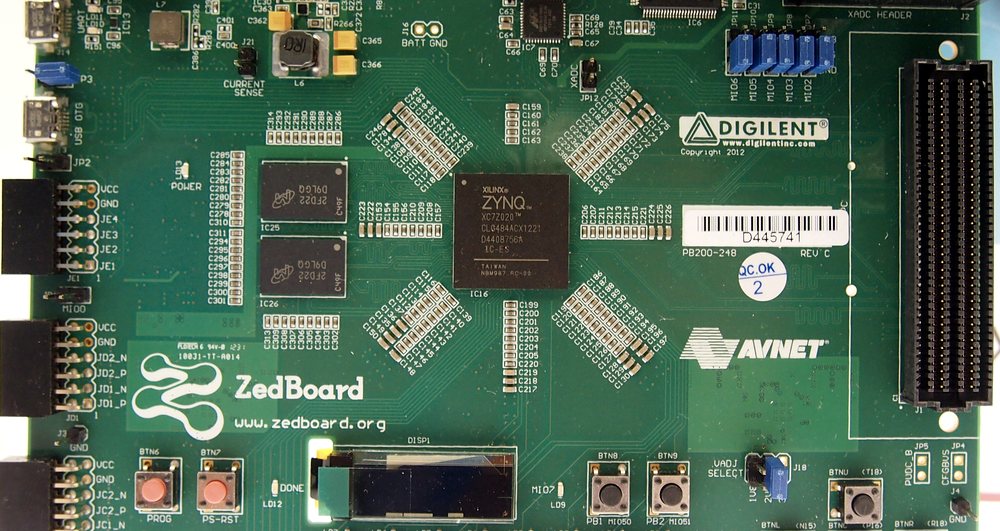
A Zynq-7000 node on the bench. Board photo: Wikimedia Commons, CC0.
06
Autonomous systems for ISR
Tracking and Autonomy at the Sensor
Tracks fused from more than one sensor, and autonomy that runs on the sensor itself so the system can act without a person in every loop.
- Stereoscopic 3D tracking
- Multi-source fusion and track association
- Autonomy written for the specific sensor
07
Space vehicle digital twins
The Flight Computer on the Bench
The real flight binary runs unmodified on an emulated processor, closed-loop with a modeled vehicle, so faults, bad commands and attacks get tried on the ground first.
- Emulated flight computers that run the flight binary as is
- Regression test, operator training and cyber evaluation on one twin
- A laptop for most work, Xilinx-class FPGA boards when timing matters
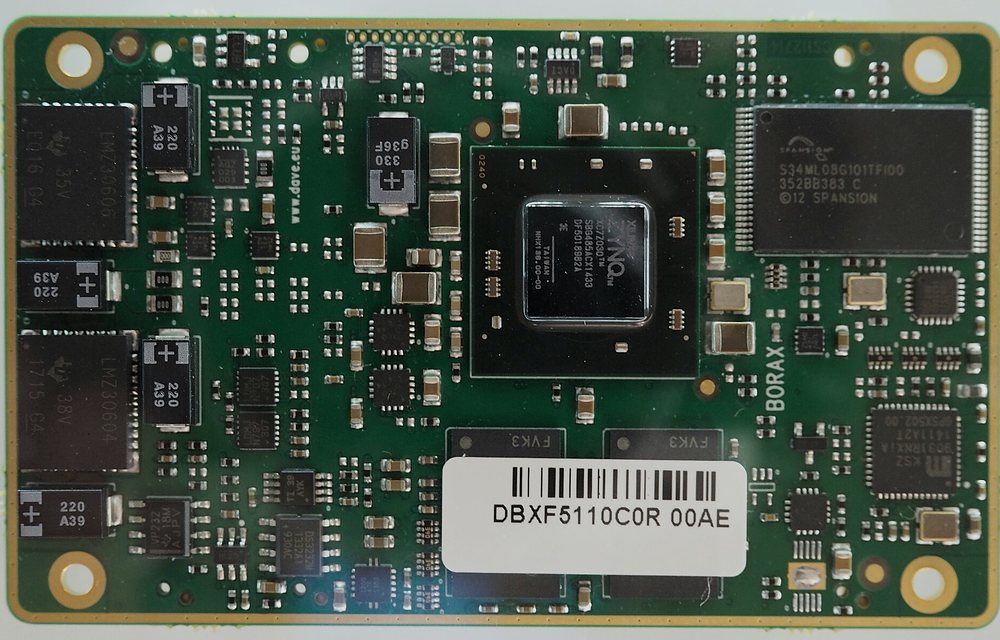
A Zynq-7030 module, the class of part the twin runs on when timing matters. Wikimedia Commons, CC0.
08
On-device AI / ML
Small Language Models That Run Offline and on Mobile Devices
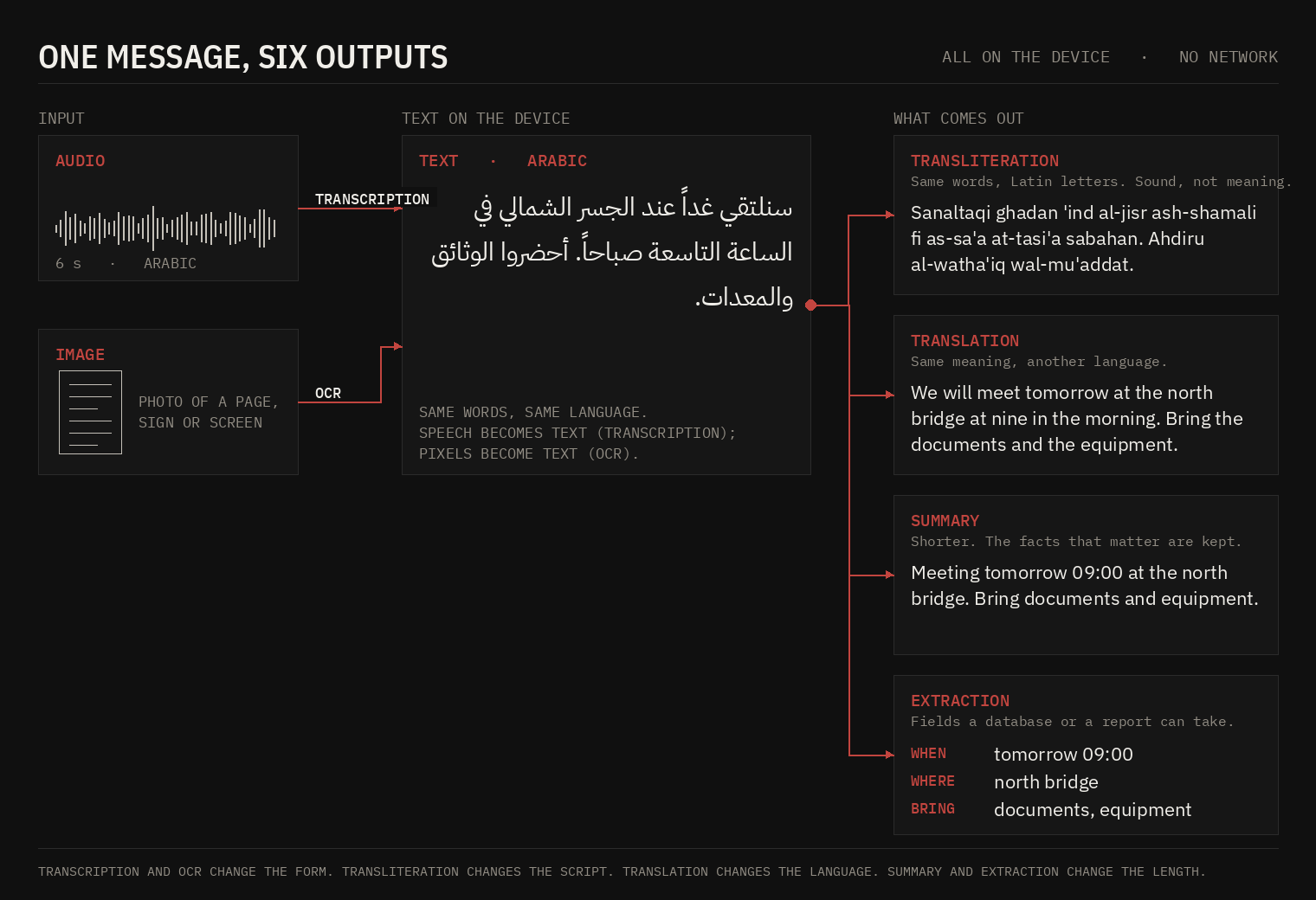
Speech, text, images and video processed on the phone, laptop or edge box that collected them, by the newest open models (Gemma, Meta's NLLB, Whisper) quantized to fit the device. No connection back is assumed, and nothing leaves the device.
Video analytics on Frigate, an open-source NVR: a detector and tracker box each object, then a second model names the type. Footage: U.S. Marine Corps and U.S. Army via DVIDS, public domain. The appearance of U.S. Department of War (DoW) visual information does not imply or constitute DoW endorsement.
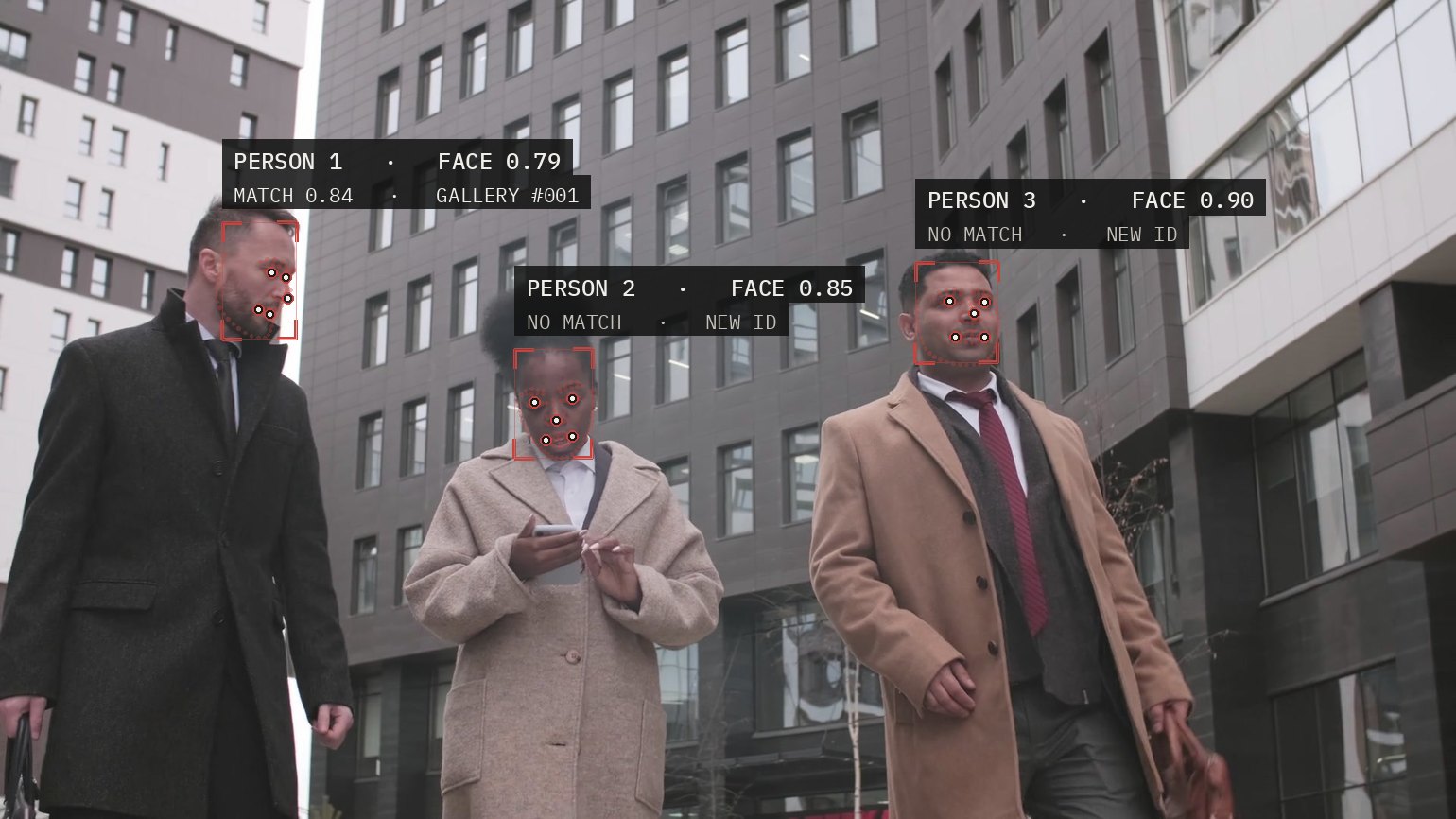
Faces found and matched on the device. Real detector, landmark and match output on a street clip. Person 1 was enrolled three seconds earlier, and a person confirms any match that matters. Footage: Pexels.
- Edge AI and ATR on embedded MCUs, making decisions at the edge under latency and bandwidth limits
- Offline transcription, translation and OCR as Android, iOS and desktop apps
- Detection, tracking and face recognition on a single edge box
- A local Gemma-class model and search over everything collected that day, with sources shown
- Delivered as installable software, updated by signed bundles, measured on the target device
09
ICS / OT security
Security for Controllers That Cannot Stop
A smaller line of work: security architecture and assessment for the PLCs and edge devices that run a physical process and cannot be taken offline to patch.
- Segmentation and monitoring that respect real-time limits
- Modern security on legacy systems that were never designed for it
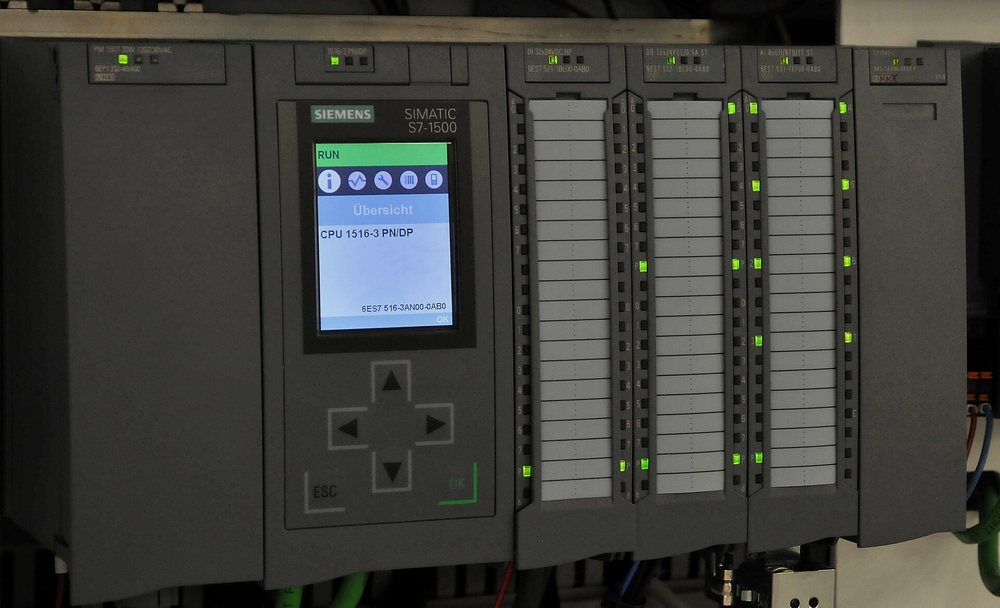
A Siemens S7-1500 rack. Photo: Palatinatian, Wikimedia Commons, CC BY 3.0.
Need One of These on a Program?
Tell us the problem and the constraints. We will tell you whether we are the right shop for it.