A
Multi-Modal Ingestion, Fully Offline
OCR, summarization and cross-referencing with the network interface down. No cloud inference, no telemetry.


Velox Labs
We build the kit, take it outside, and bring the data back to the model. Work here starts before anyone has written a requirement for it. When a number on this page is a target and not a measurement, it says so.
01 · Bench
Kit we build, integrate and test.
Airframes, edge AI kits, cameras and prototypes, next to Jetson modules, Zynq UltraScale+ boards and workstation GPUs. If it is going to fly or sit in a field for a month, it gets built and broken here first.
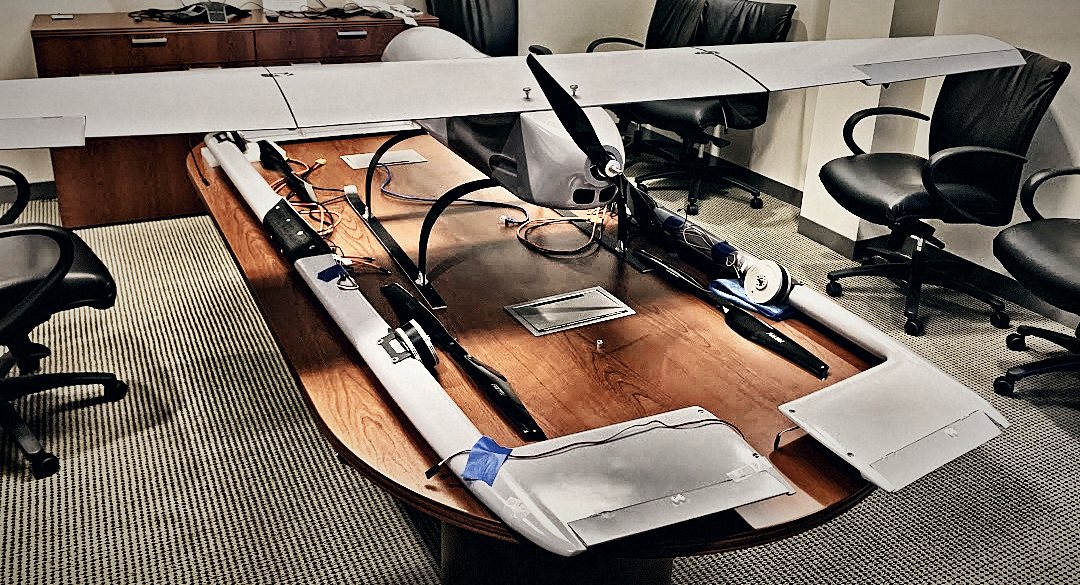
A twin-boom VTOL airframe during integration. Photo: Velox Research.
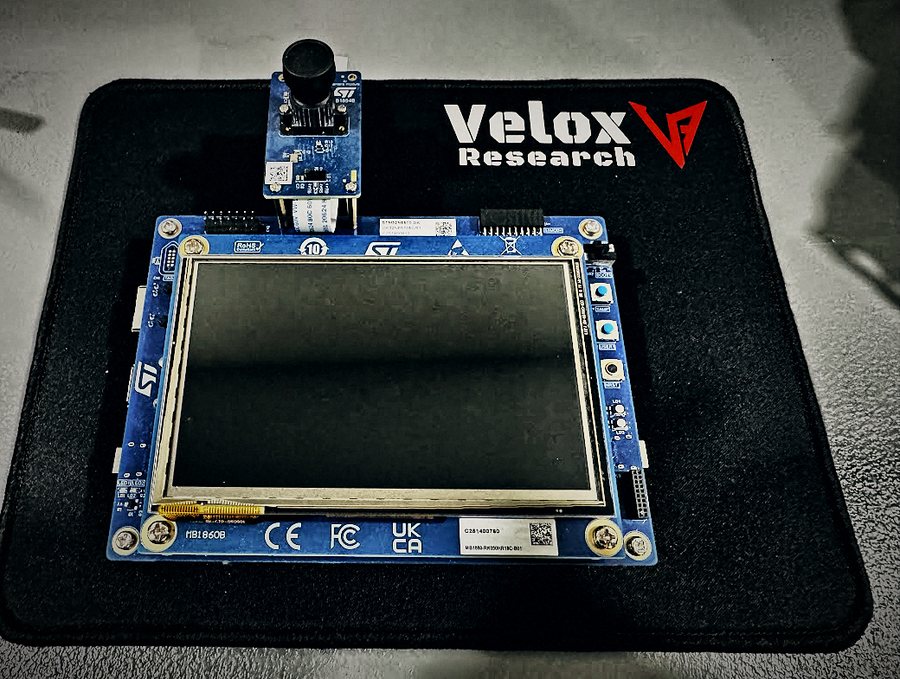
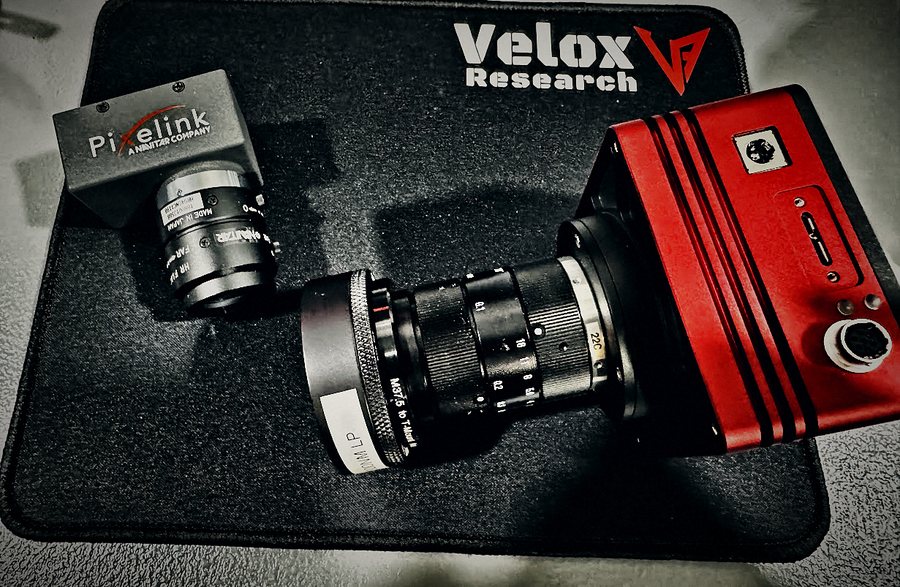
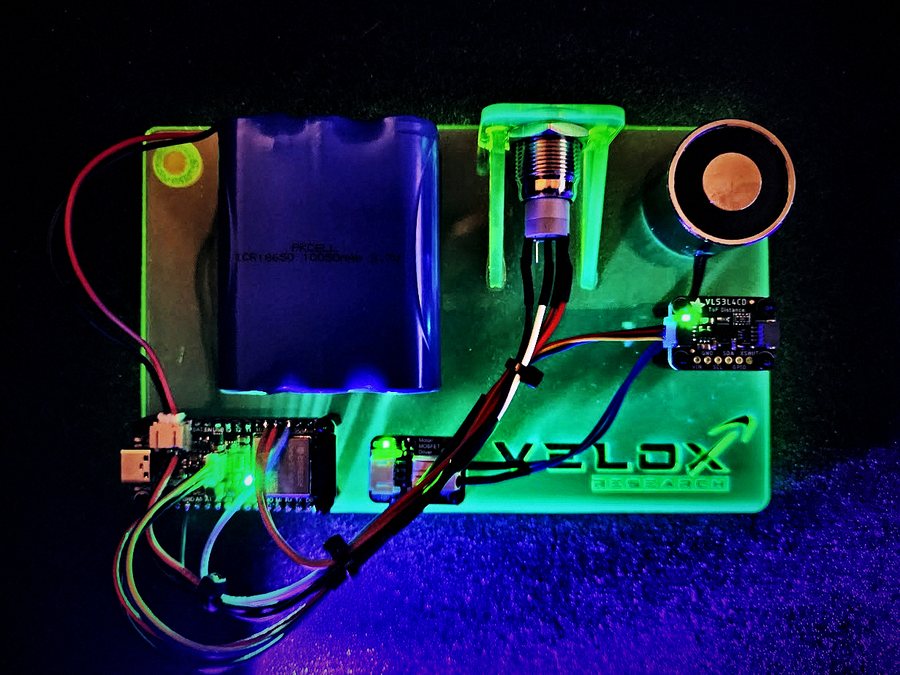
An STM32N6 edge AI kit with its camera, two camera bodies with one behind a long-pass filter, and a battery prototype that fires an electromagnet from a range reading. Photos: Velox Research.
02 · Field
Local AI for places with no link back.
Out there, nothing has a data center behind it. We build air-gapped AI stacks on commercial hardware and run the exploitation where the data is collected.
The same kit goes to the range. The array on the right is tracking a quadcopter by sound, and the case below is collecting the magnetic signatures of ground vehicles.
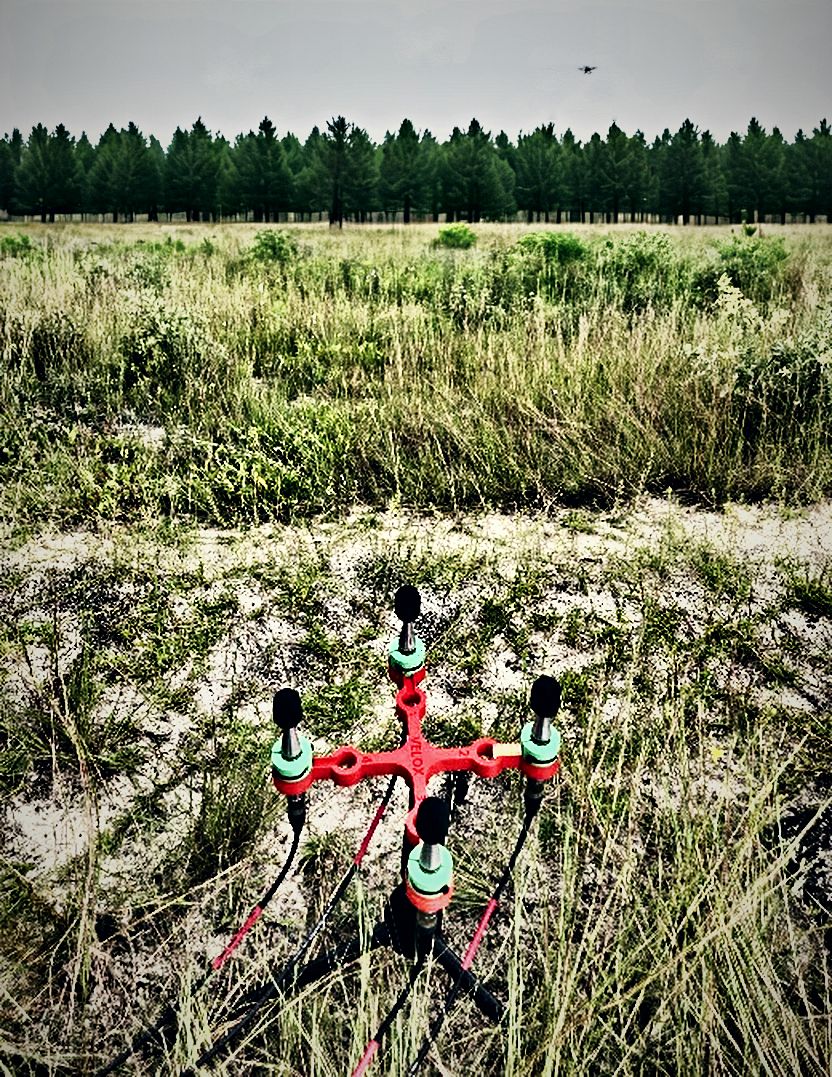
A four-microphone array on a Velox-printed mount, with a quadcopter at standoff range. Image: Velox Research.
OCR, summarization and cross-referencing with the network interface down. No cloud inference, no telemetry.
An open-source NVR with a local vector database, so an operator can search footage by describing what they want to see.
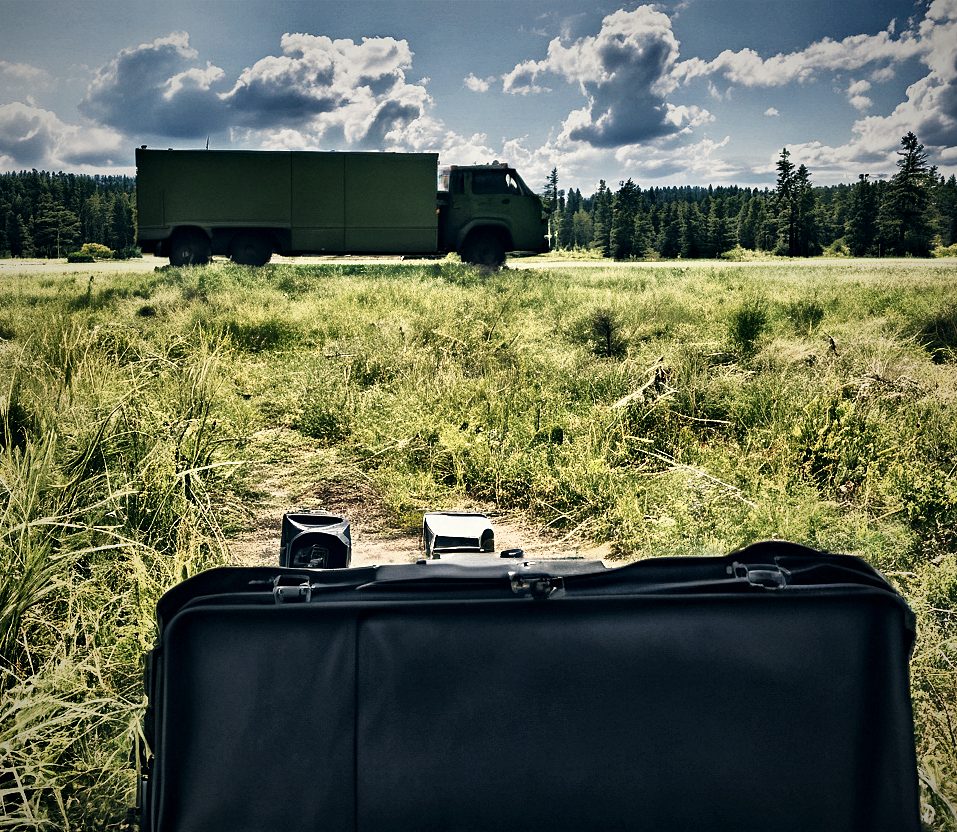
Magnetic collection of ground vehicle signatures. Image: Velox Research.
03 · Models
Model the field before building hardware.
Field data feeds the models, and the models decide what gets built next. Electromagnetic models map the field around a source, so sensor placement and standoff are worked out before any hardware exists, and bad geometries get thrown out in software where it is cheap.
Streamlines around a spherical source, colored by |B| on a 10−7 T scale.
The same goes for aerothermal work. Our CFD runs on real vehicles. This one is a reindeer at hypersonic speed, for fun, and the gas still hits about 1,500 K at the nose.
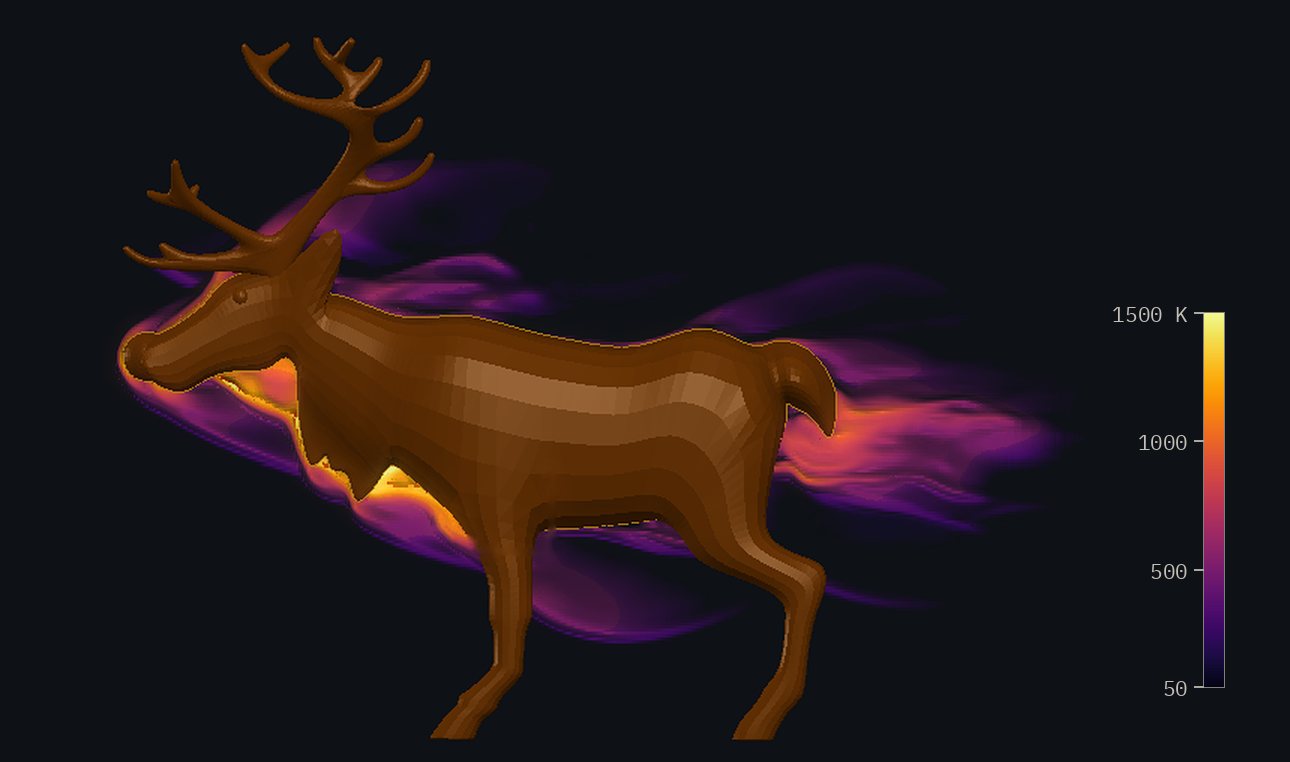
Fluid temperature, 50 to 1,500 K. Colour scale re-rendered for the page.
04 · Next
Where the next concept gets built.
The current bet. We characterize candidate quantum magnetometers against the modeled field, so we know what a sensor can resolve before it leaves the bench, and we are building our own concept ahead of any requirement. What survives moves into program work. What does not gets dropped while dropping it is still cheap.
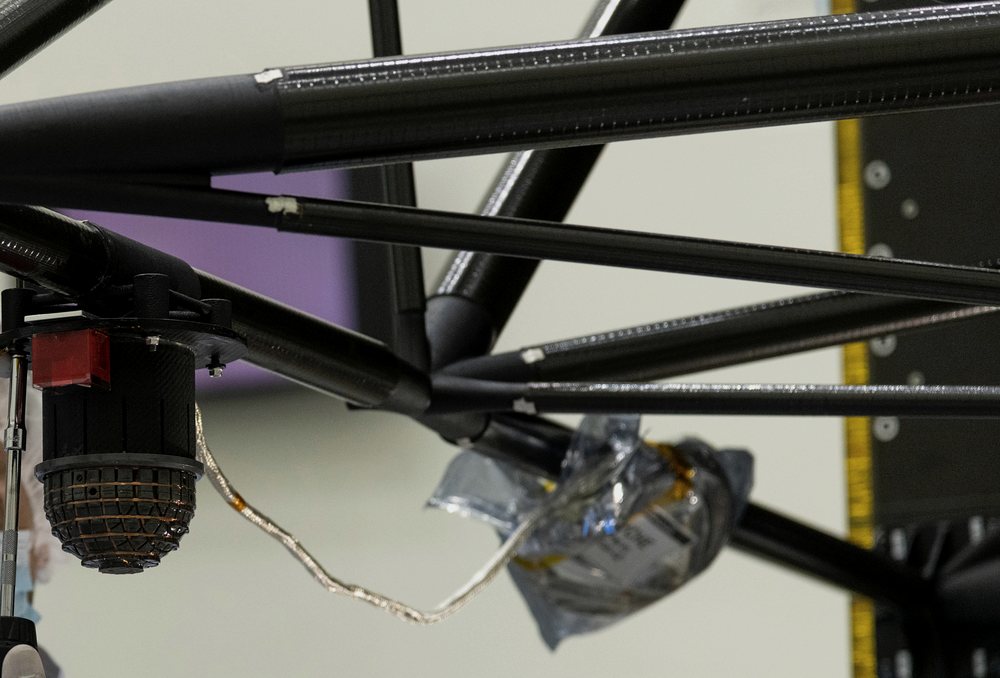
Magnetometer integration on NASA's Psyche spacecraft, shown as an example. NASA/JPL-Caltech.
Labs work starts as a conversation with a program office or a prime that has one.